 Say it once
 Who it's for
 GEO for Shopify

 Handmade & Artisan
How AI is changing handmade & artisan shopping.
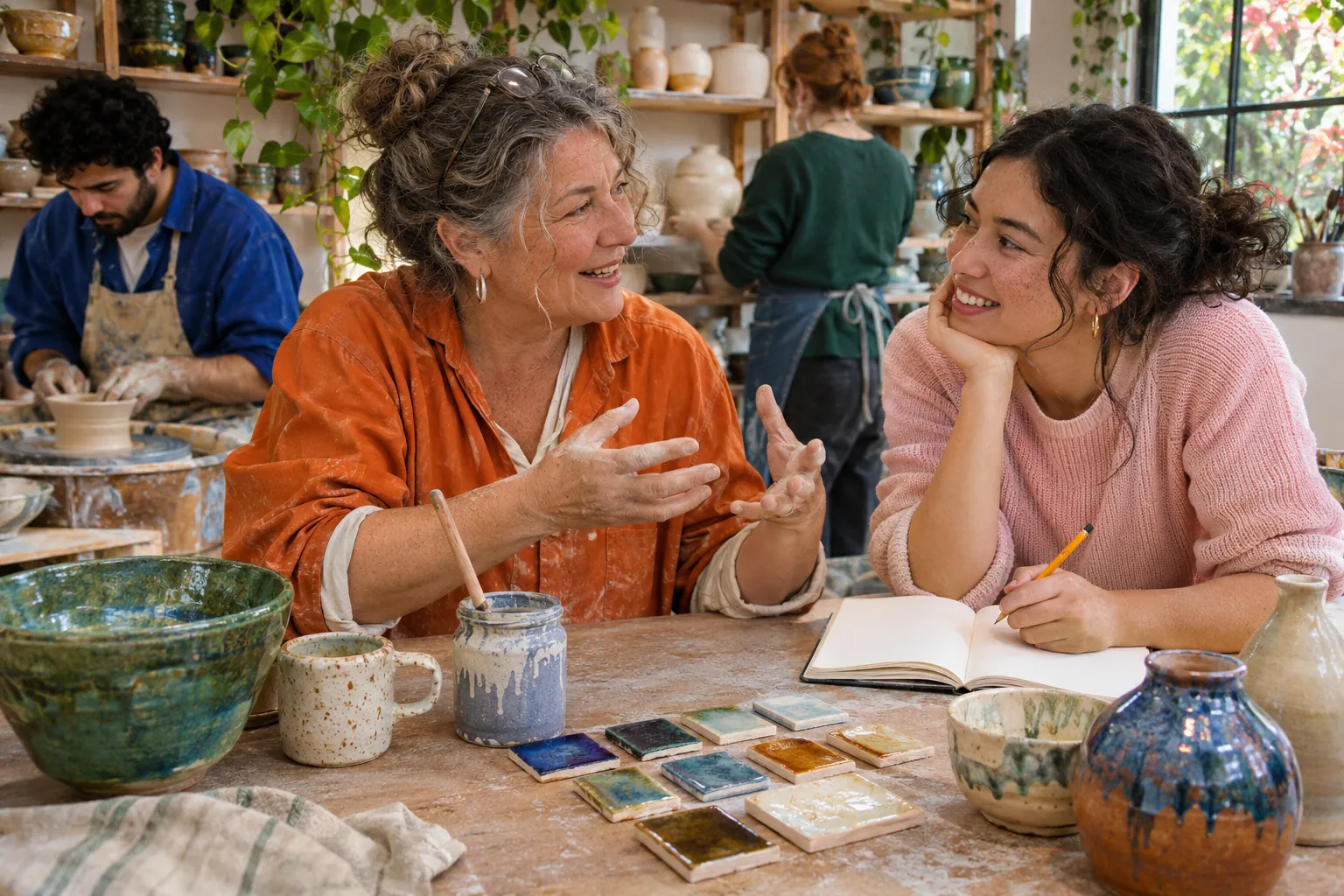
Handmade shopping is driven by story and specifics. Buyers do not want a generic mug, they want "a hand-thrown ceramic mug in a matte speckled glaze, made to order by a small studio." They ask AI for "artisan leather goods from ethically sourced hides" and "a unique handmade wedding gift under $80 that is not from a big brand." These prompts reward detail: material, technique, origin, lead time, and the maker behind the piece.
The irony is that makers pour their story into beautiful prose that AI cannot parse. An engine cannot extract "lovingly crafted" or "a labor of love" into a recommendation. It needs structured facts: what the item is made of, how it was made, whether it is one-of-a-kind or made to order, how long it takes to ship, and what values (small-batch, ethically sourced, plastic-free) it embodies. Without that structure, a maker's most compelling qualities stay invisible to the AI, and the shopper is pointed to an Etsy listing instead.
Naridon translates craft into structured data an engine can cite. It reads your catalog, finds where the material, process, and provenance details are missing or trapped in prose, and generates the schema, FAQ blocks, and enriched descriptions that make each piece answerable. When a shopper asks ChatGPT or Perplexity for a unique, ethically made handmade gift, your materials, process, and origin are there for it to read.